





Successfully entering the circular economy with smart product passports.
World of Pi gives every product a digital voice, making it easier for manufacturers to extend the useful life of their products and tap into new business areas.


Our allies in change:












Manufacturers are facing major challenges.
Resources are becoming scarcer, environmental regulations stricter, and raw material prices and tariffs are rising. At the same time, demand for repairable and used products is growing.
One thing is clear: the transformation from a throwaway economy to a circular economic model in which products are reused, repaired, and recycled is inevitable. But how can manufacturers design circular systems when they lose sight of their products after they are sold? And how can they remain successful if they produce fewer new goods?

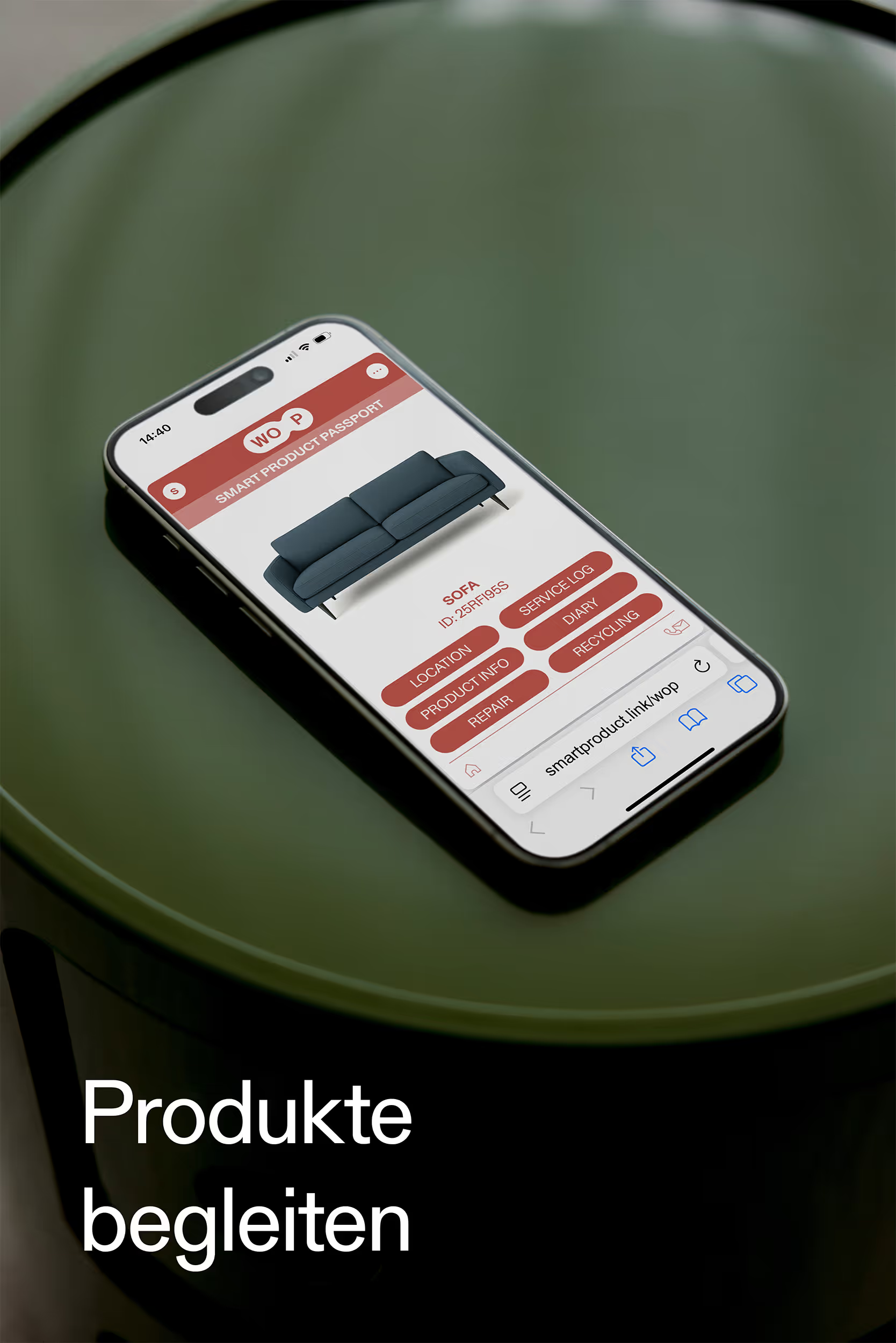
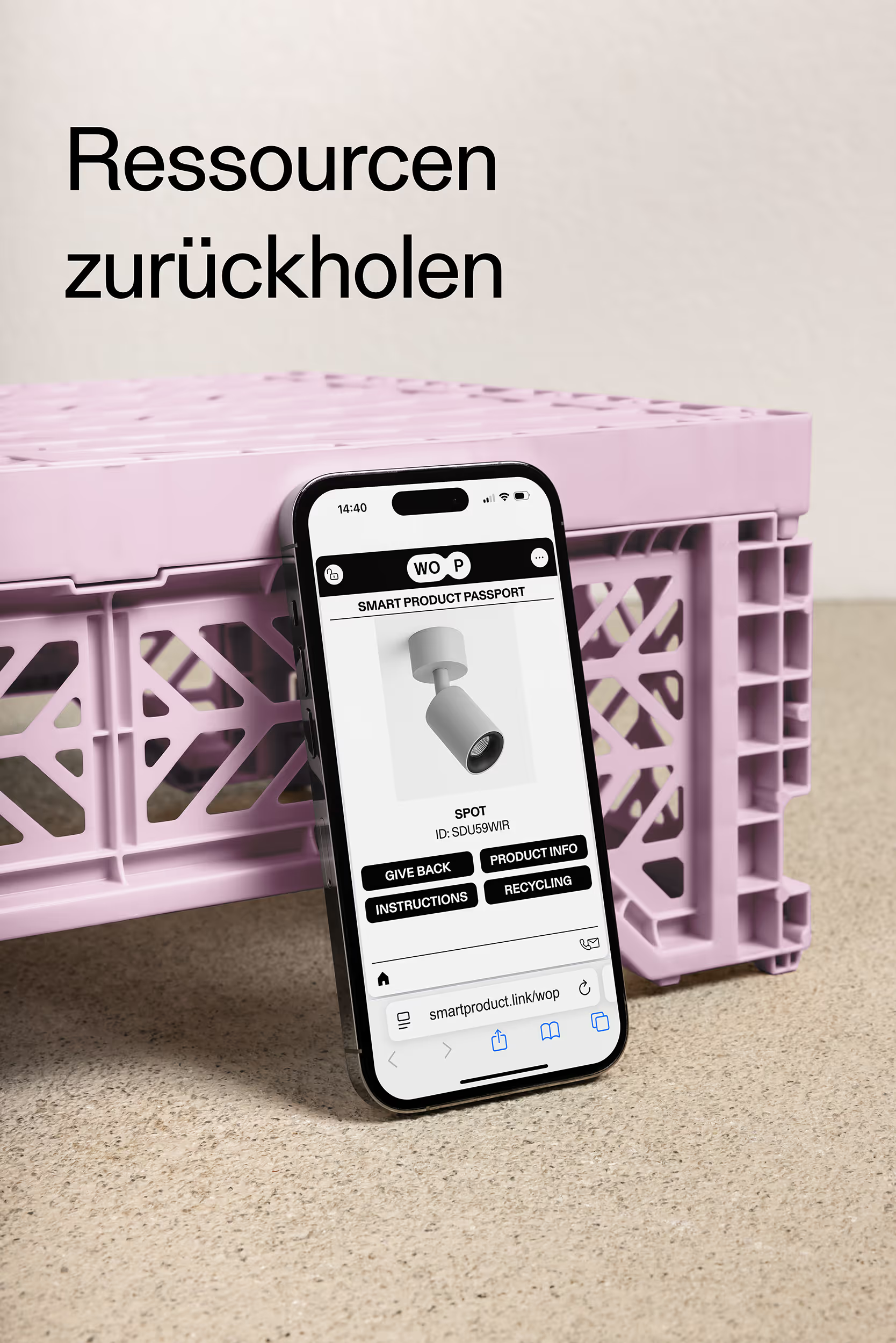
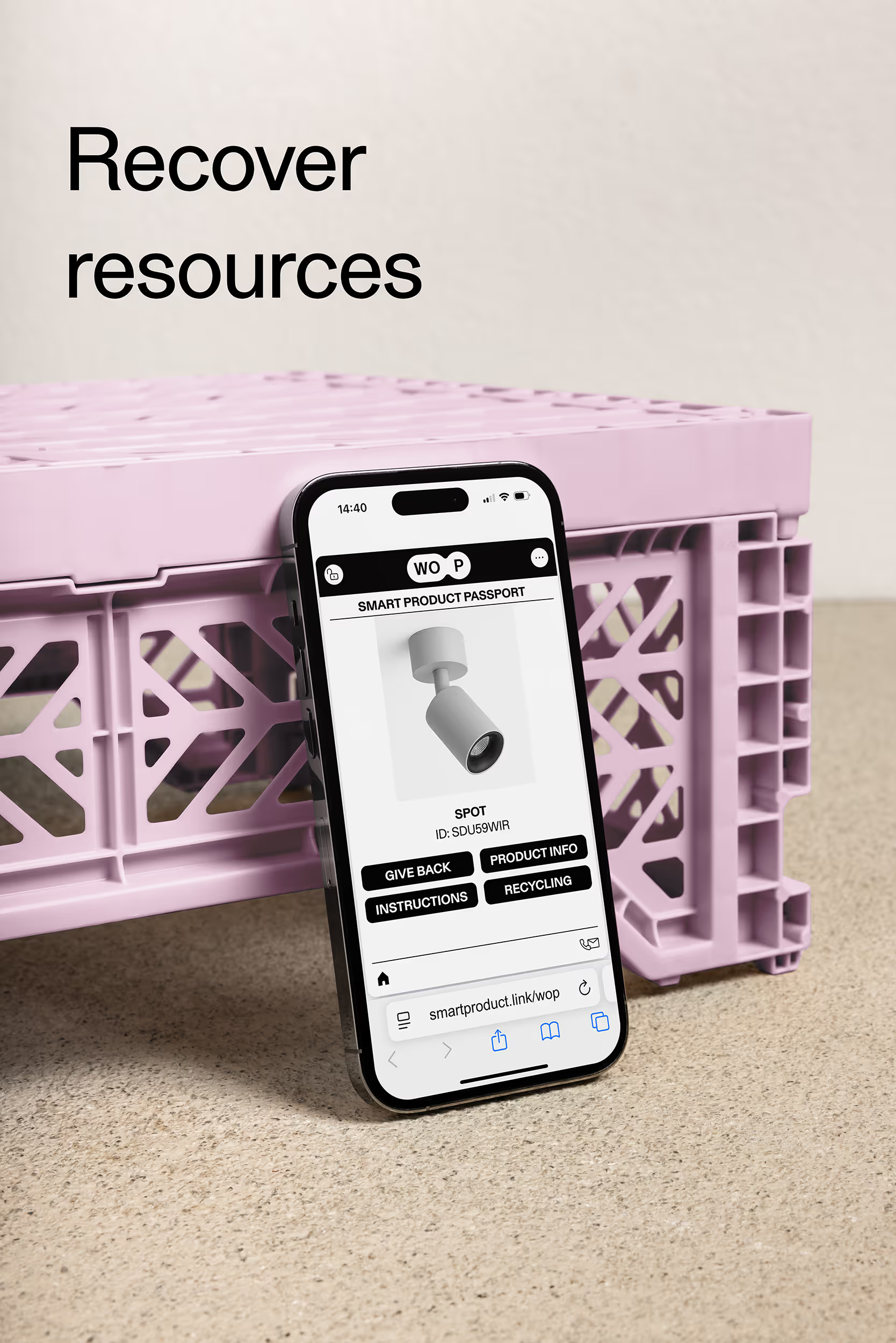
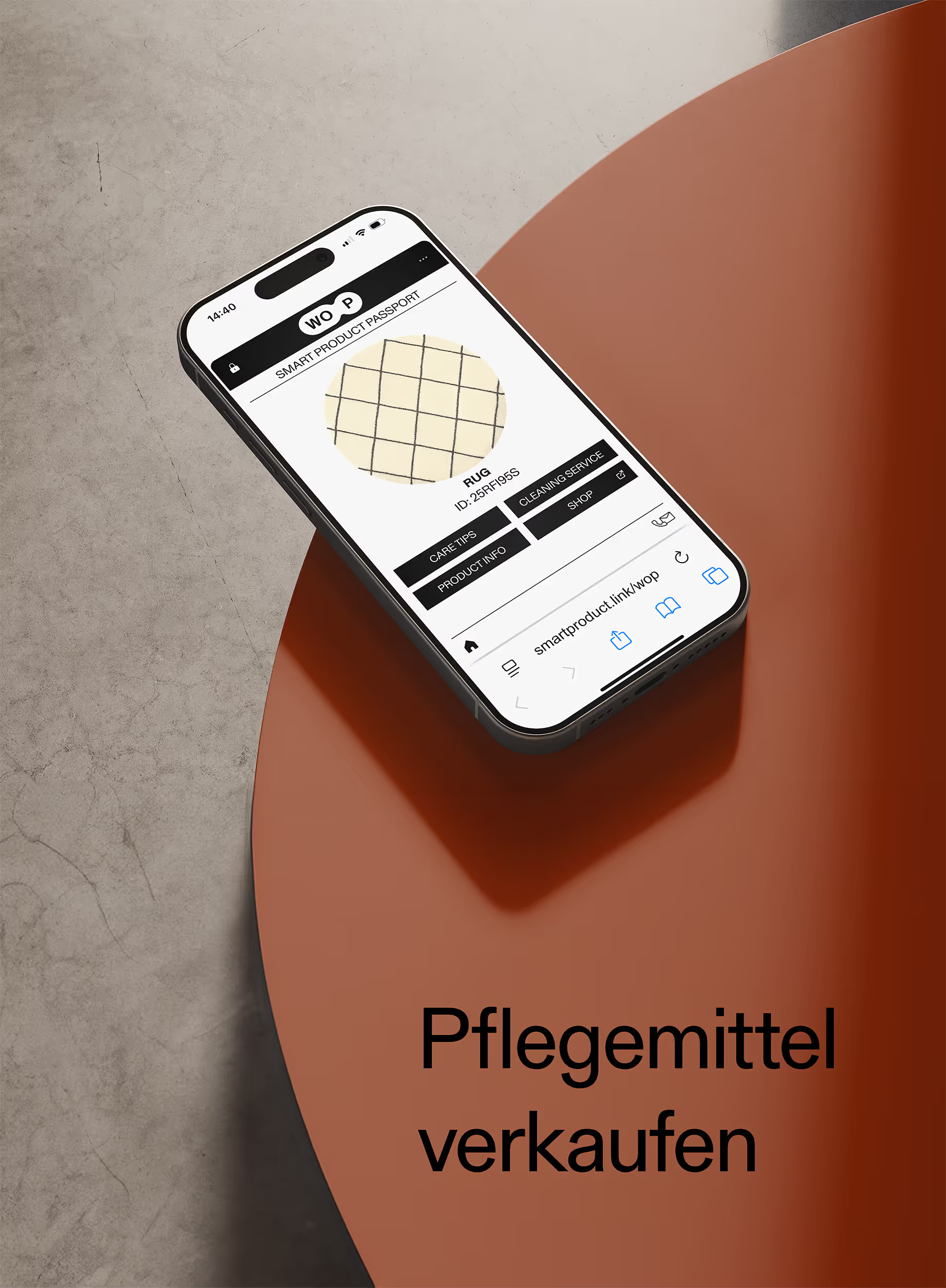
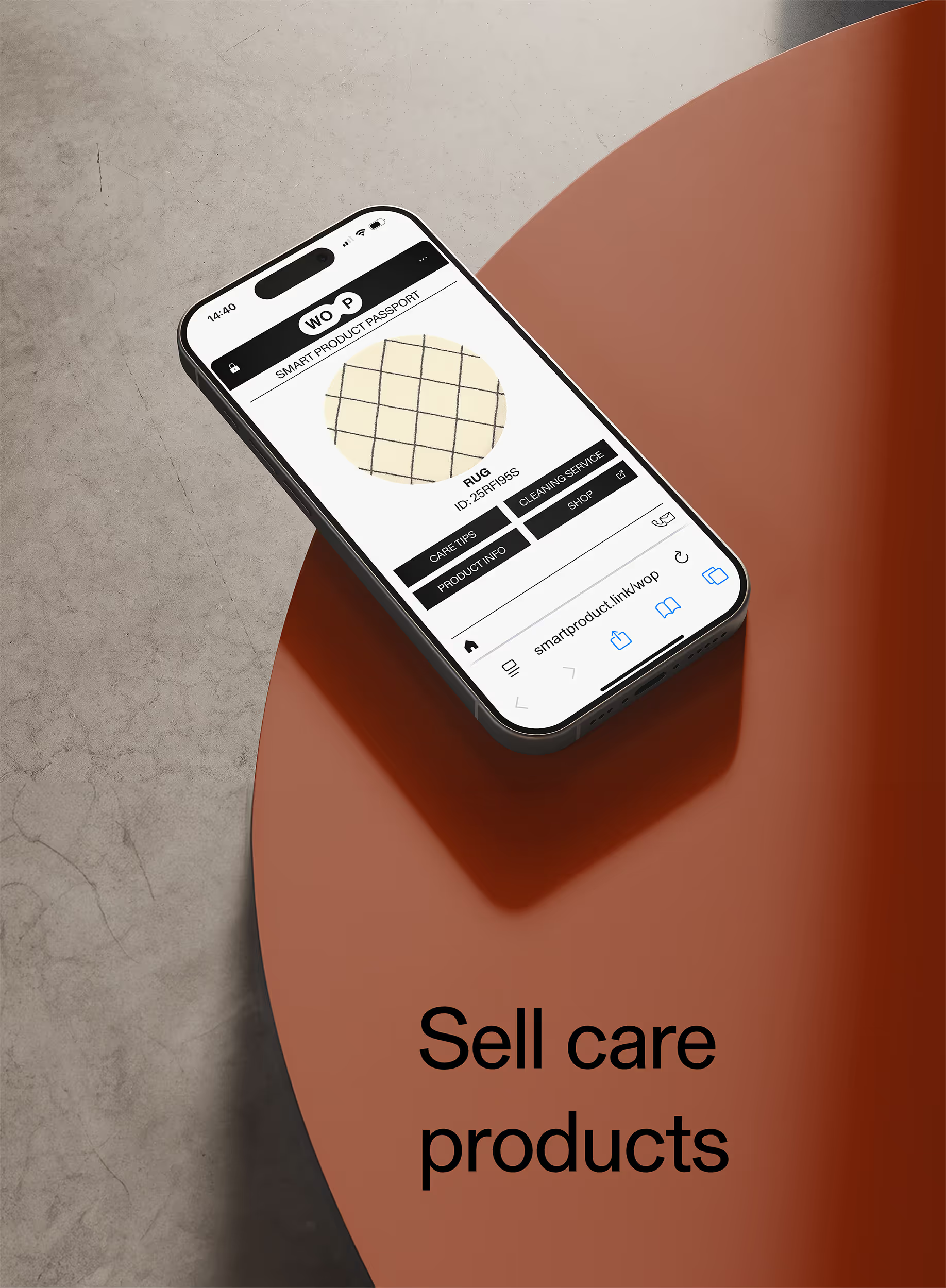
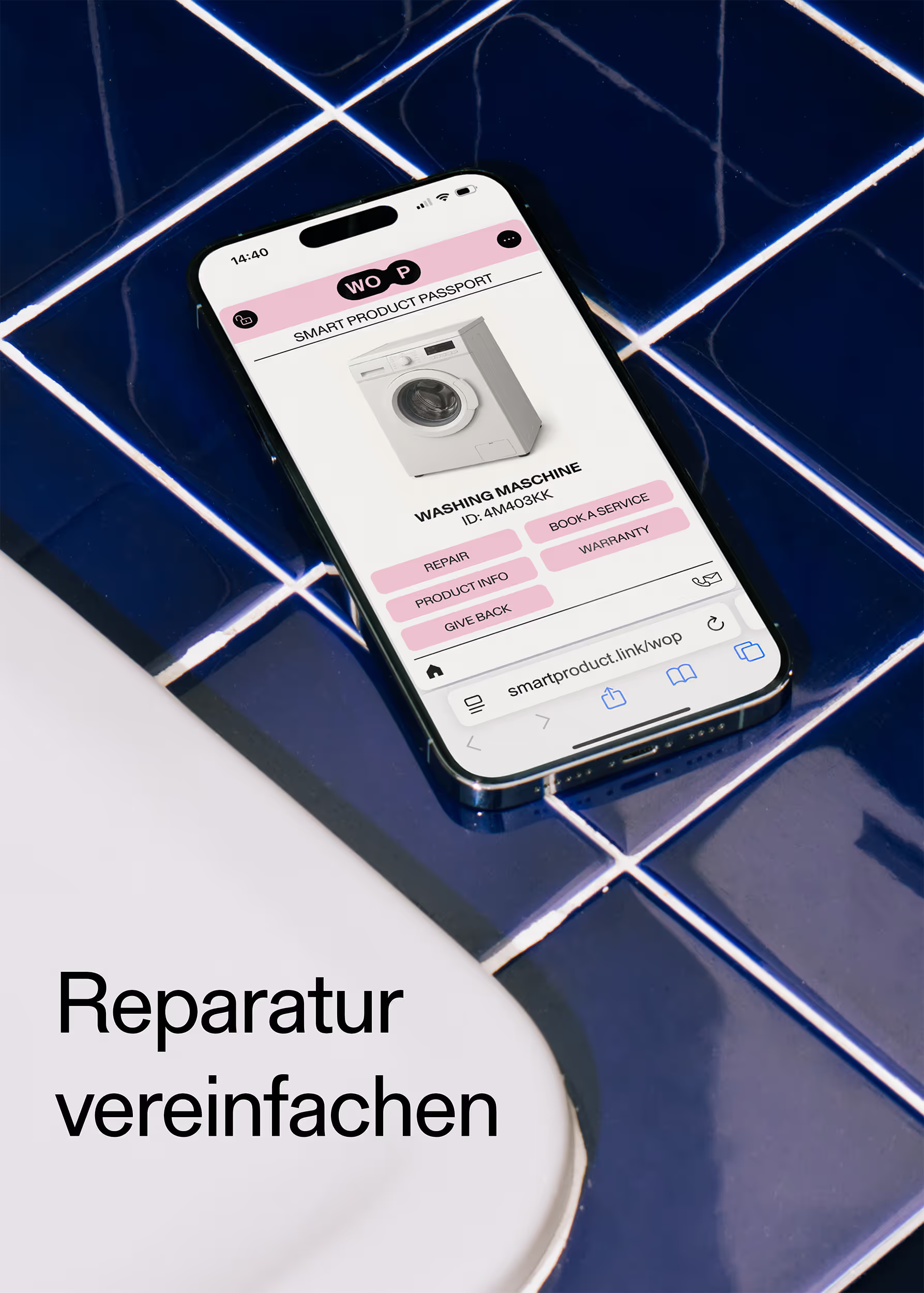
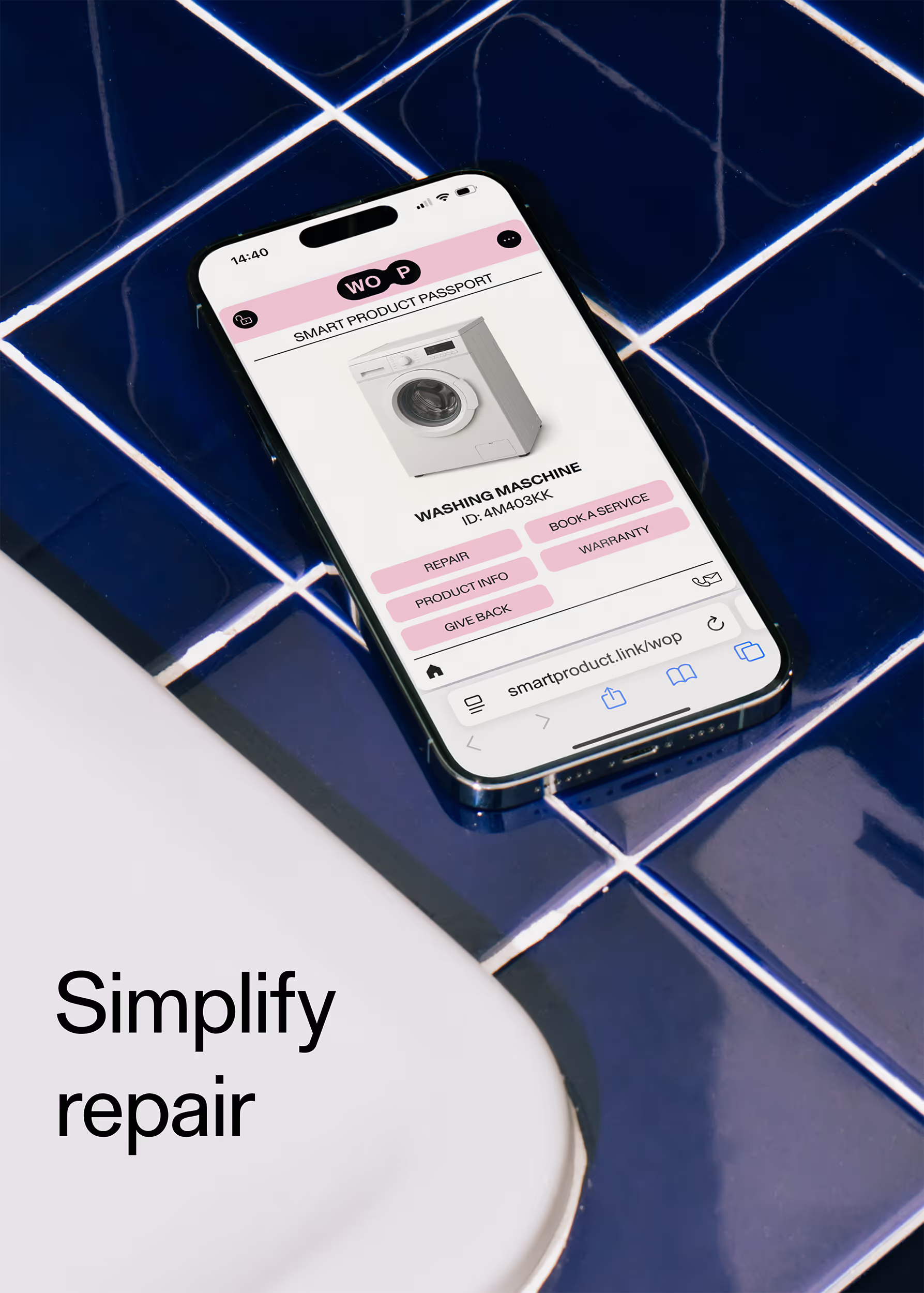
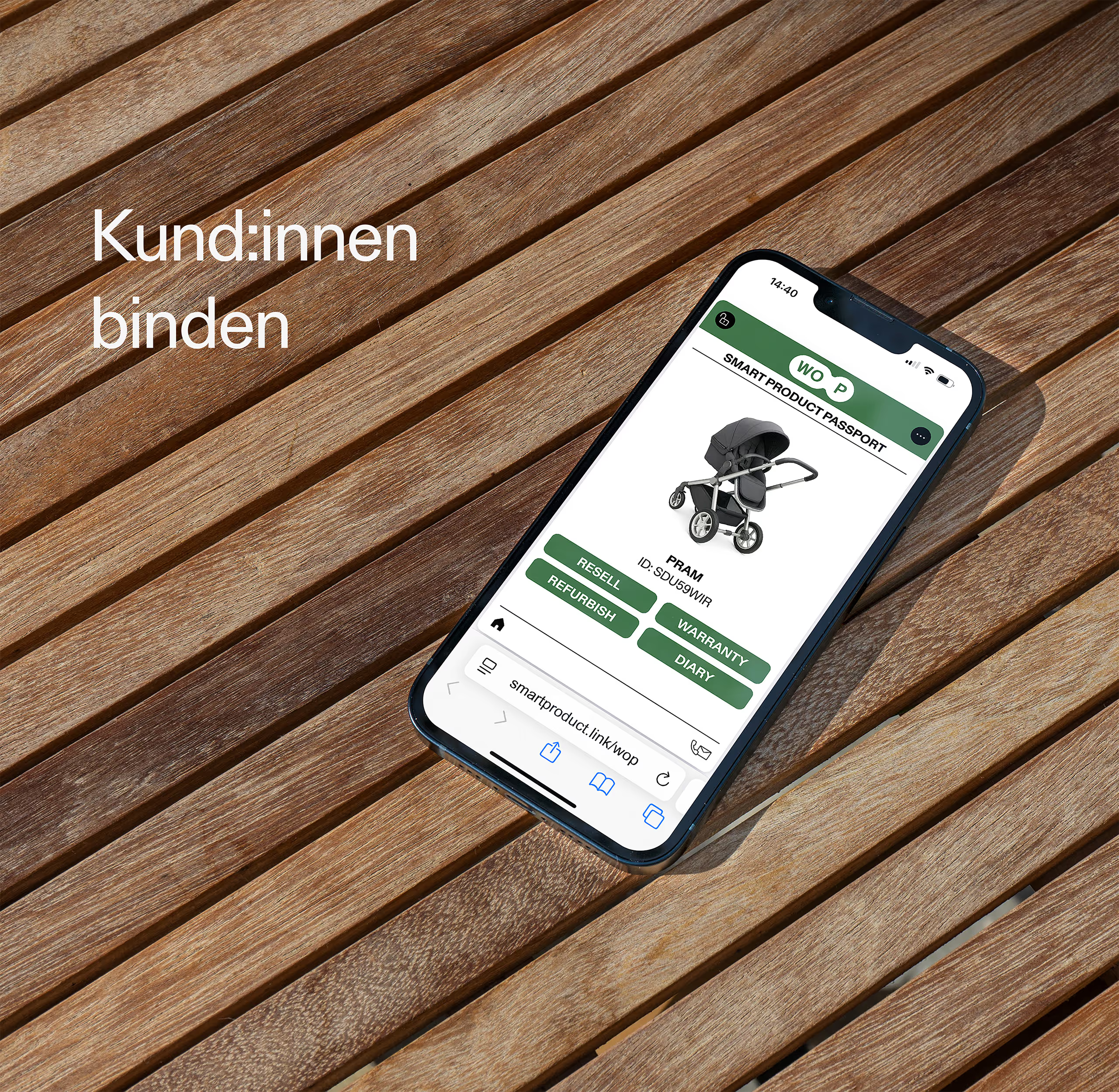
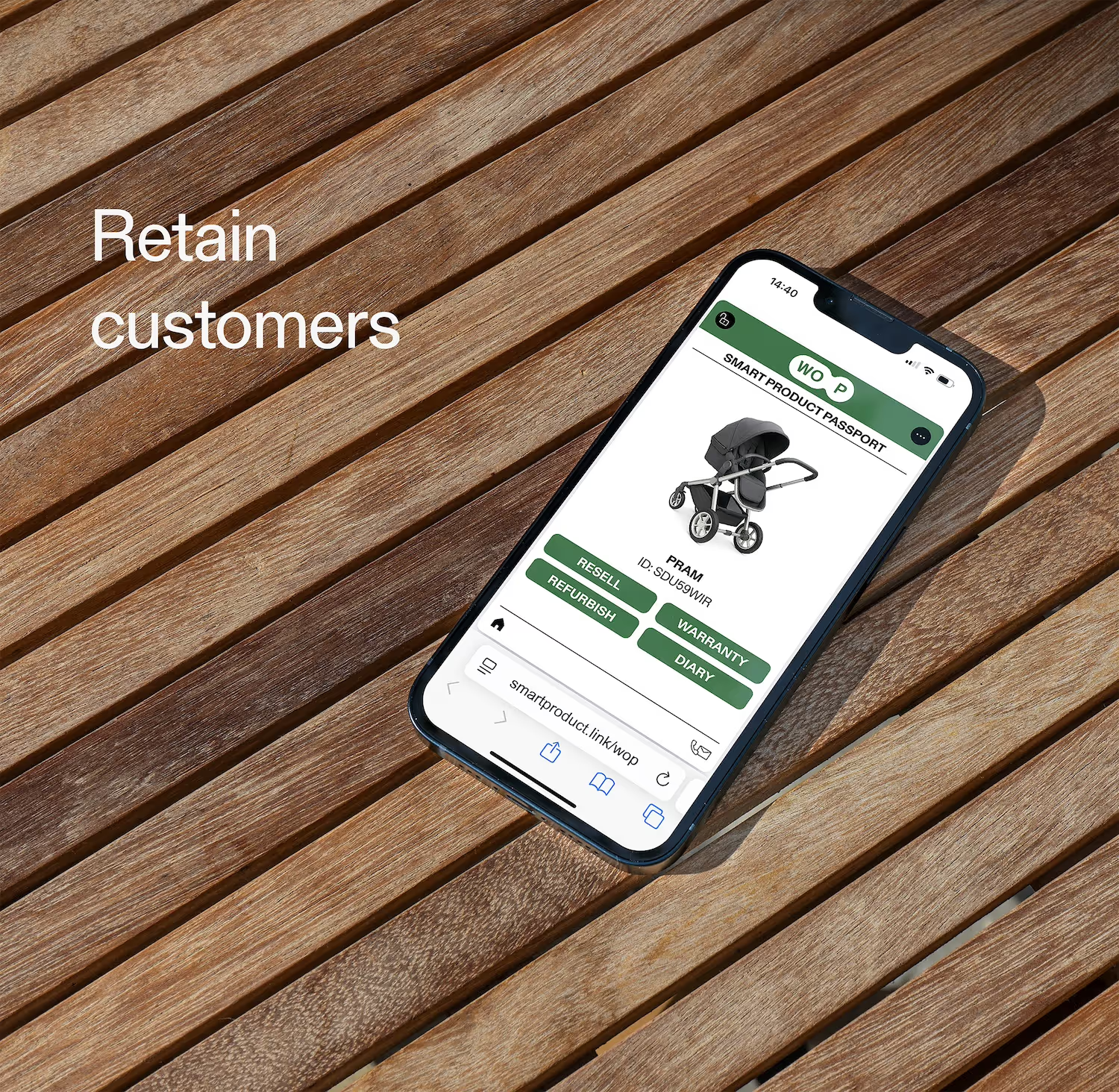
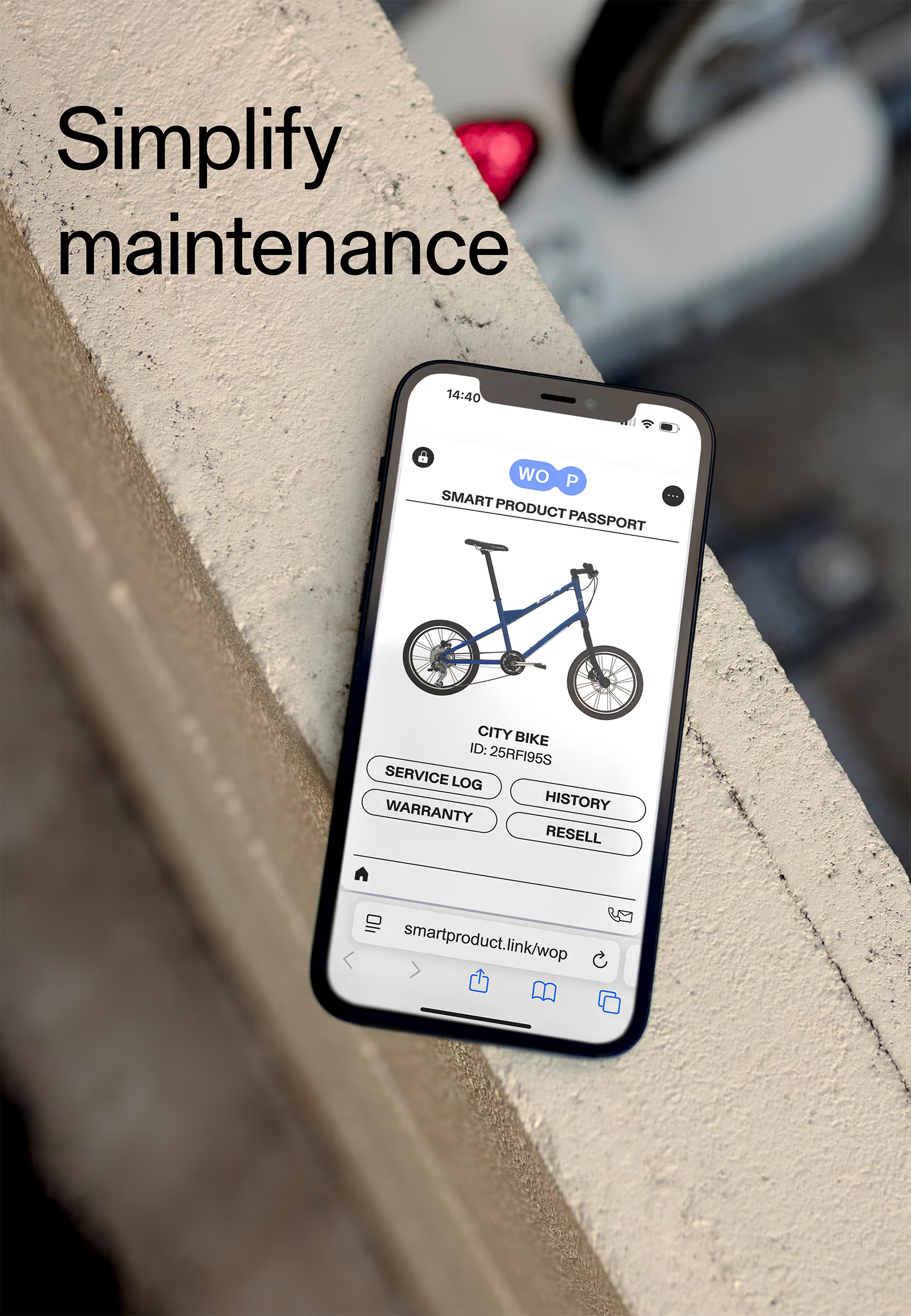
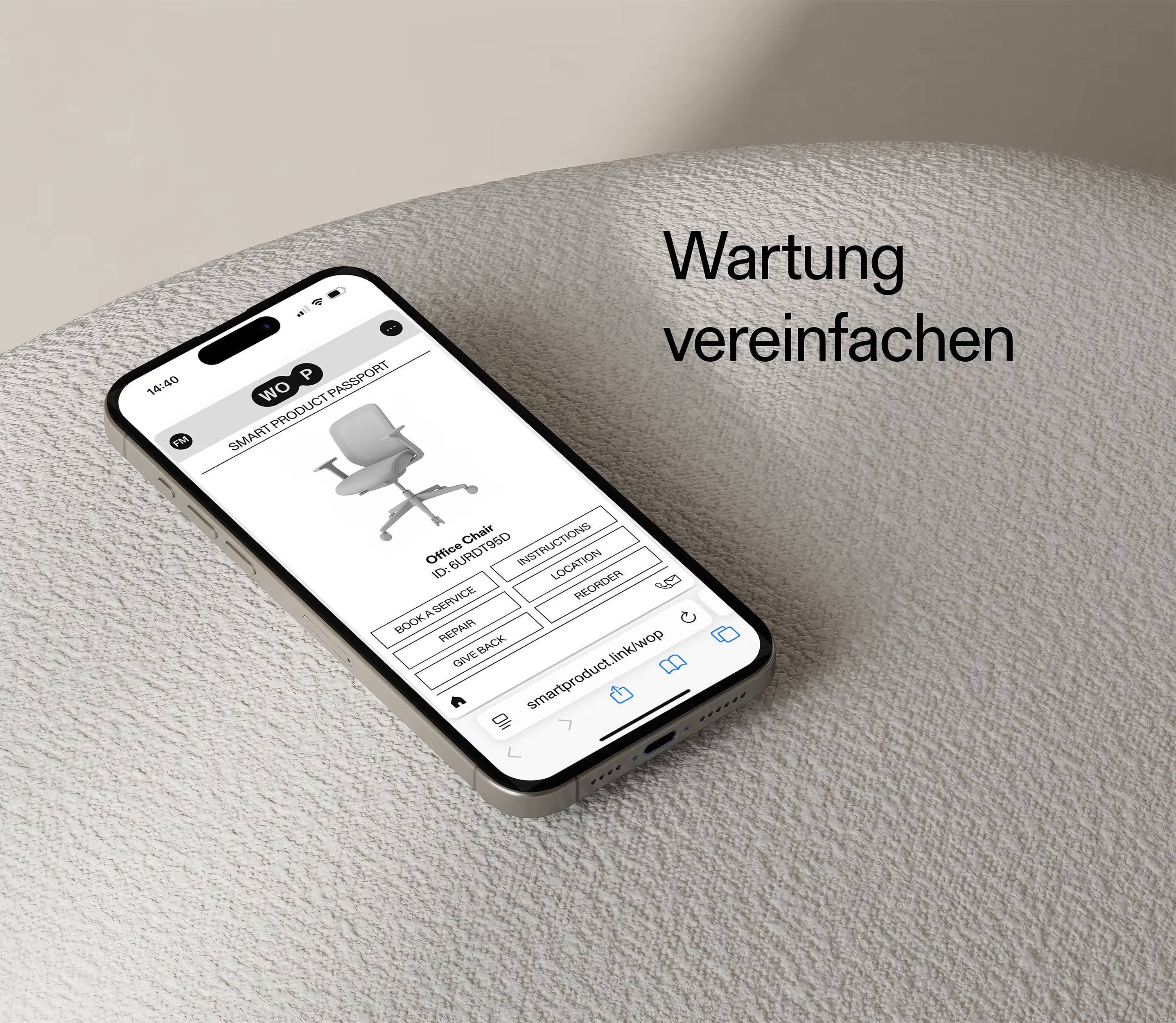
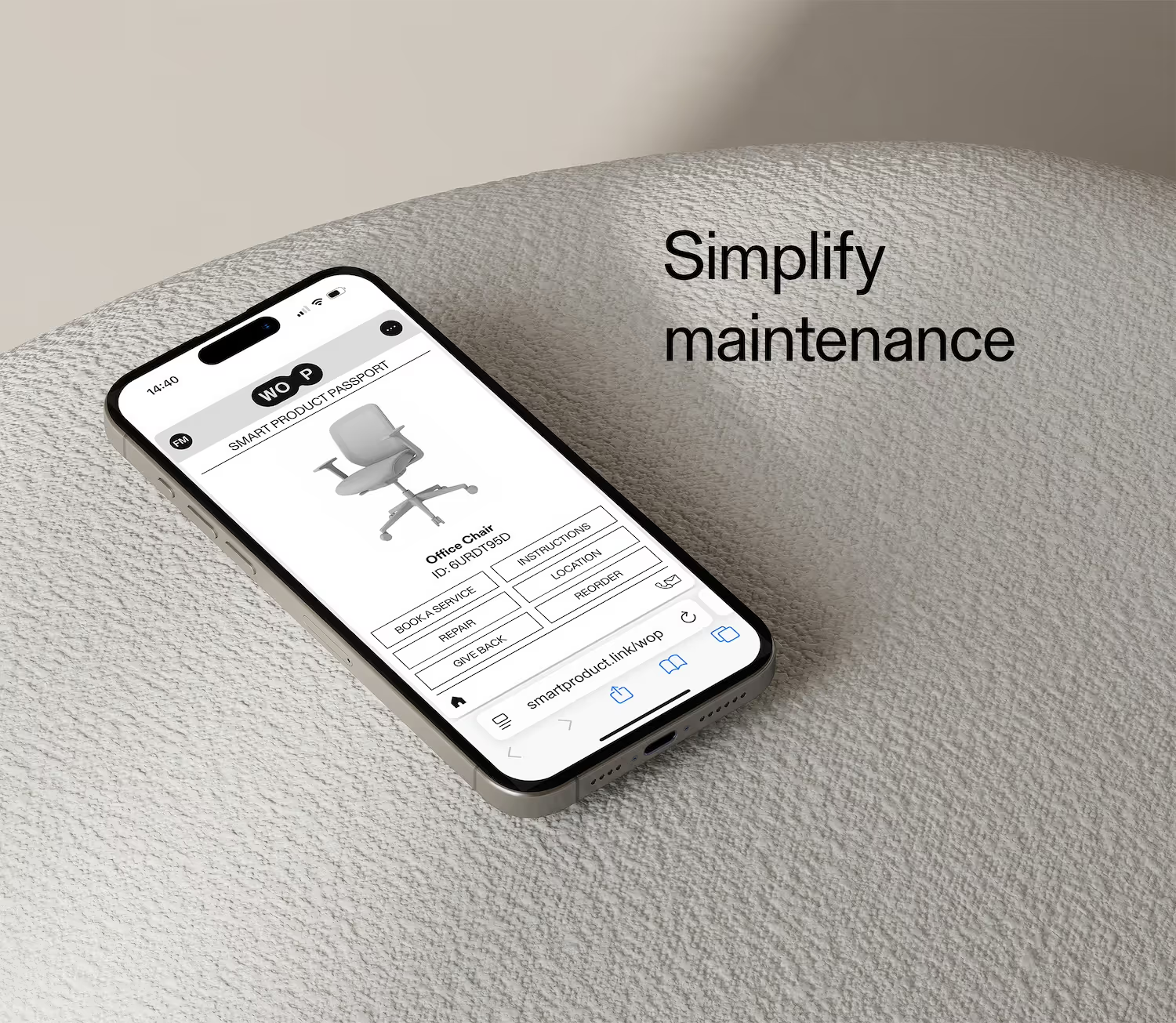
The smart product passport «Pi» makes all information and services available on the product.
Manufacturers unlock content on the product to manage their processes, while users access information, services, and upload data via QR code.
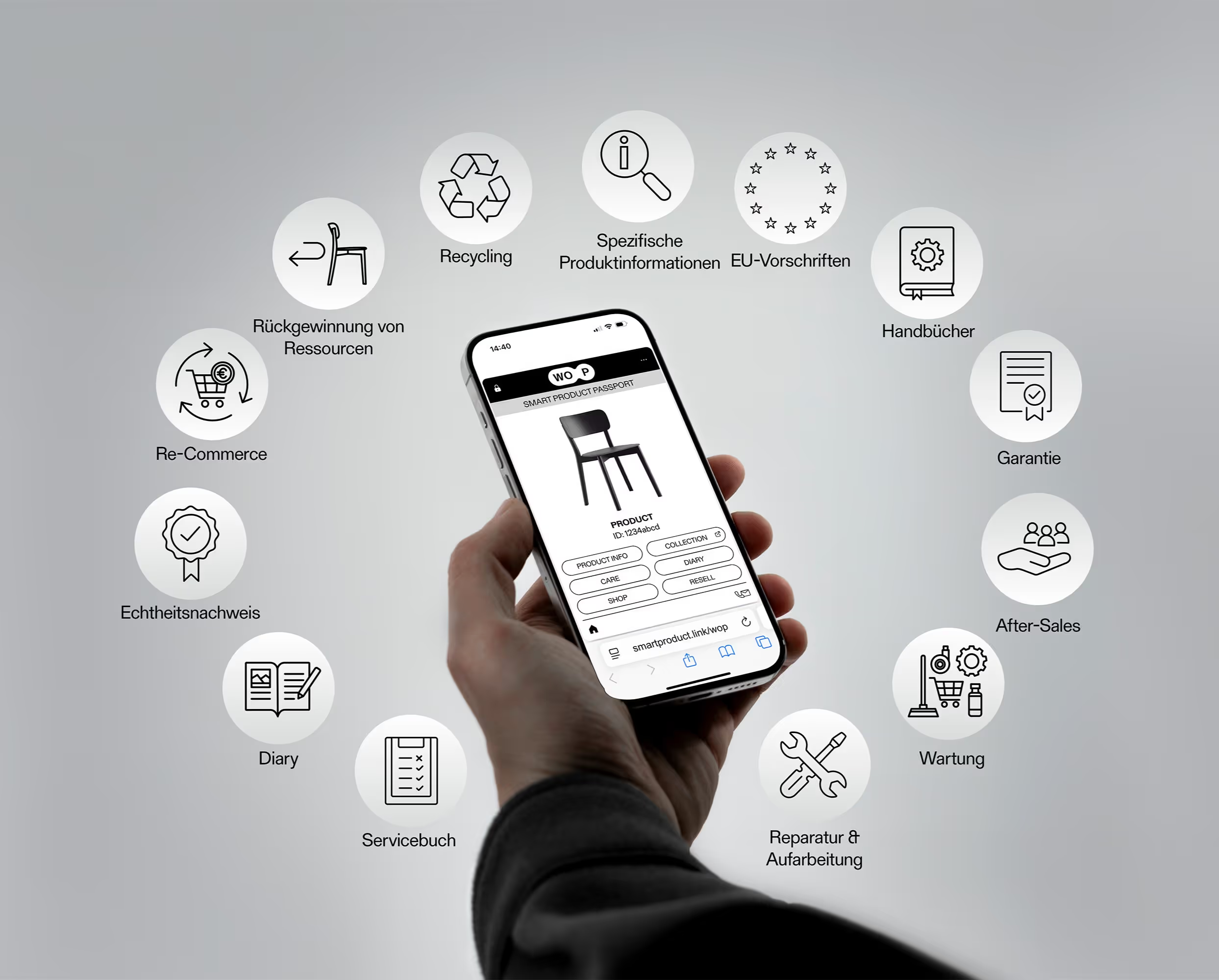
The digital identity connects manufacturers with the product and its users throughout the entire lifecycle.


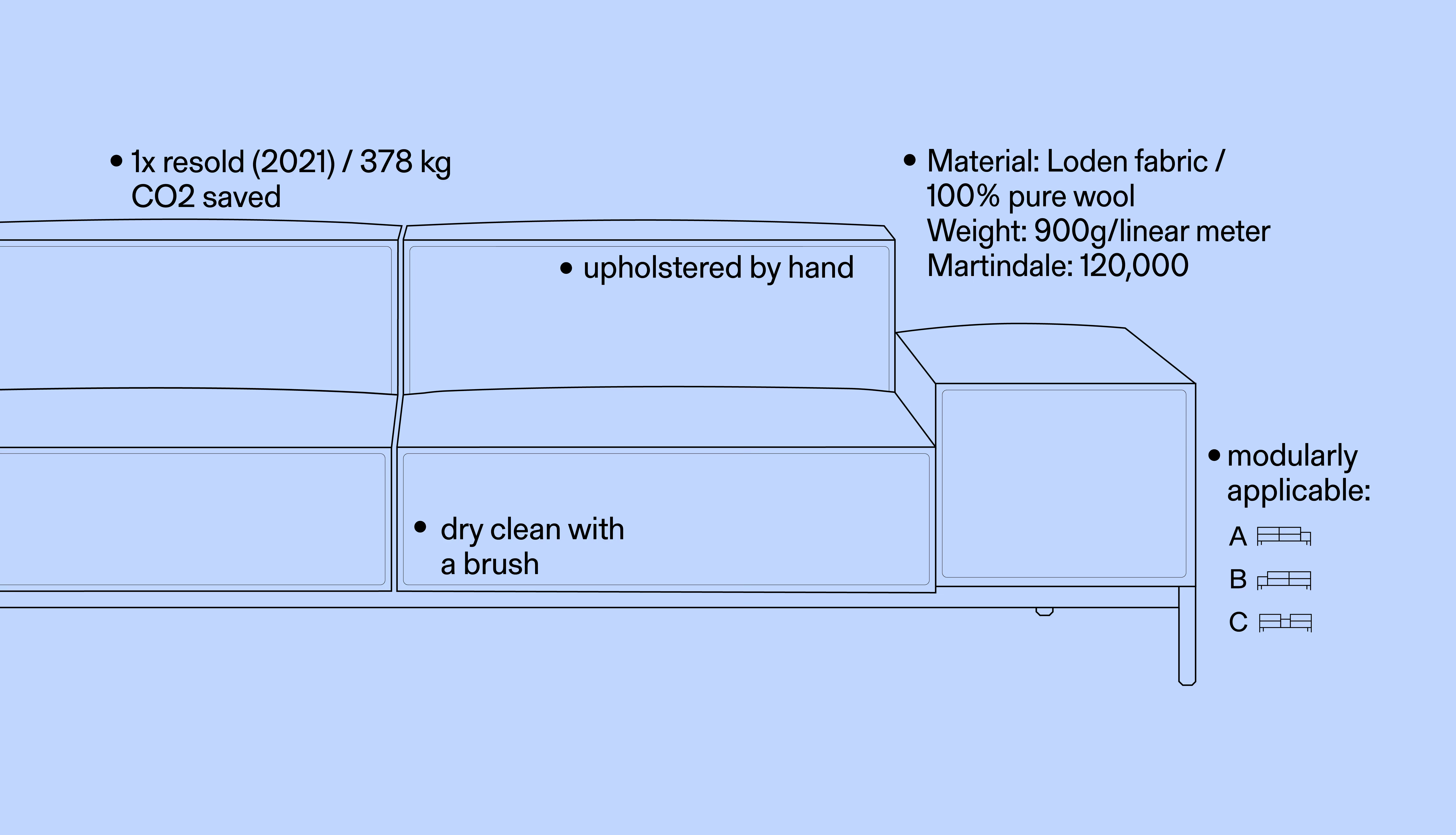
Scan the QR code and discover the Pi of this carpet!
Im Diary siehst du seine individuelle Geschichte – die gerade weitergeschrieben wird.

Individual access rights and services for each role.
Using the same QR code, everyone sees only the content and functions that are relevant to their role. This provides greater flexibility, efficiency, and security—for example, in everyday office life.
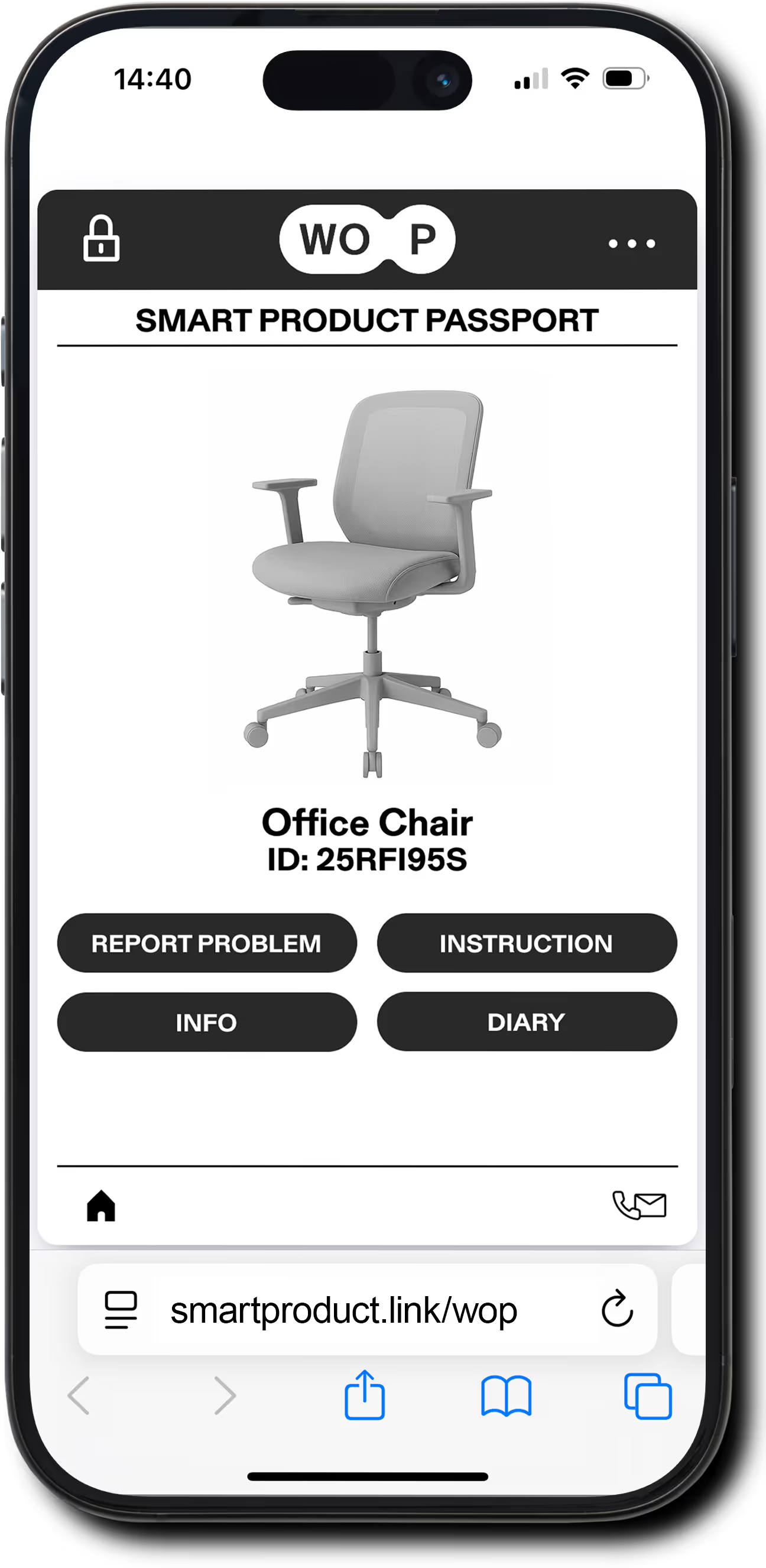
Employees
report a problem directly on the product.
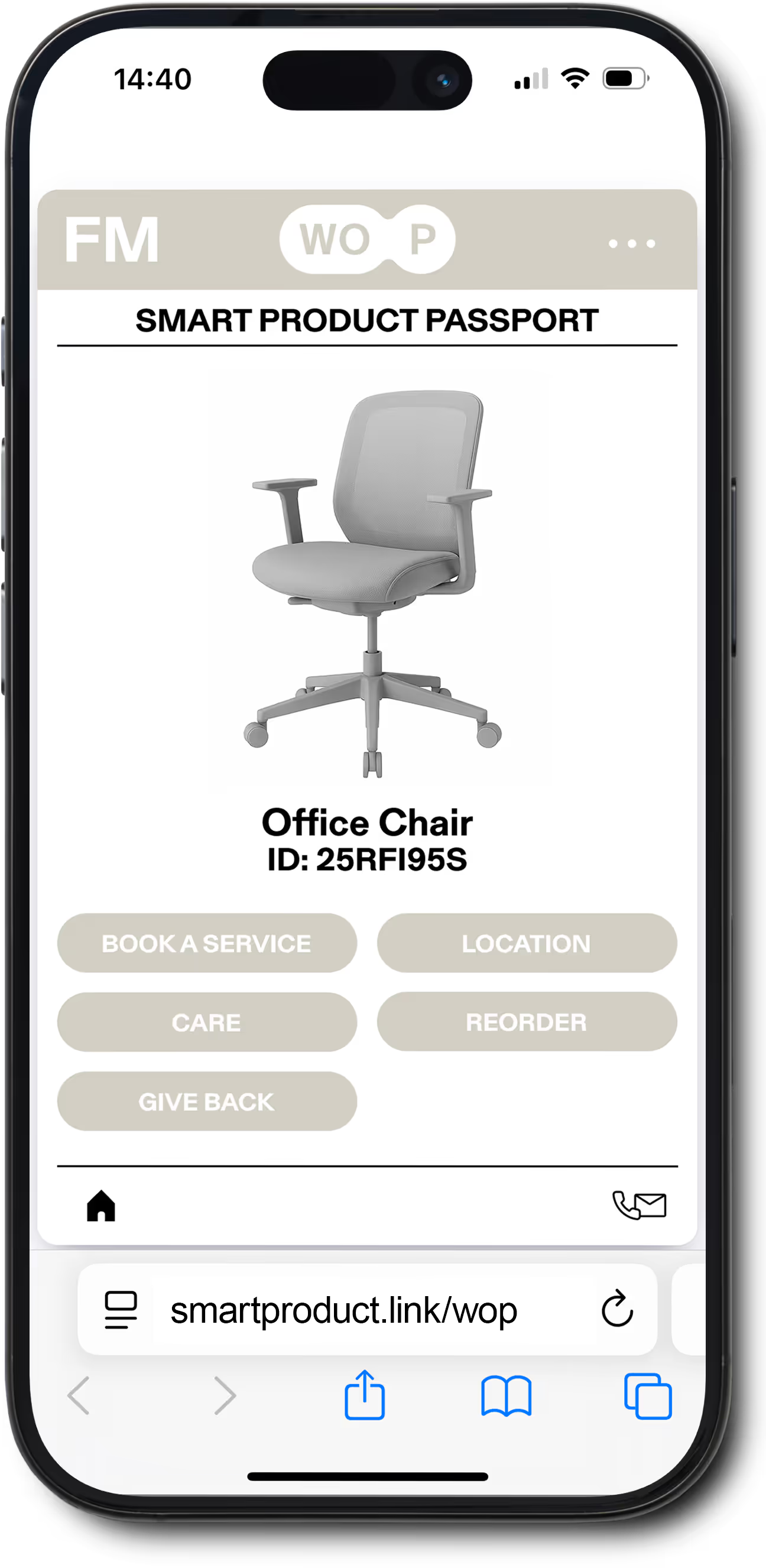
Facility managers
book the appropriate service from the manufacturer or dealer.
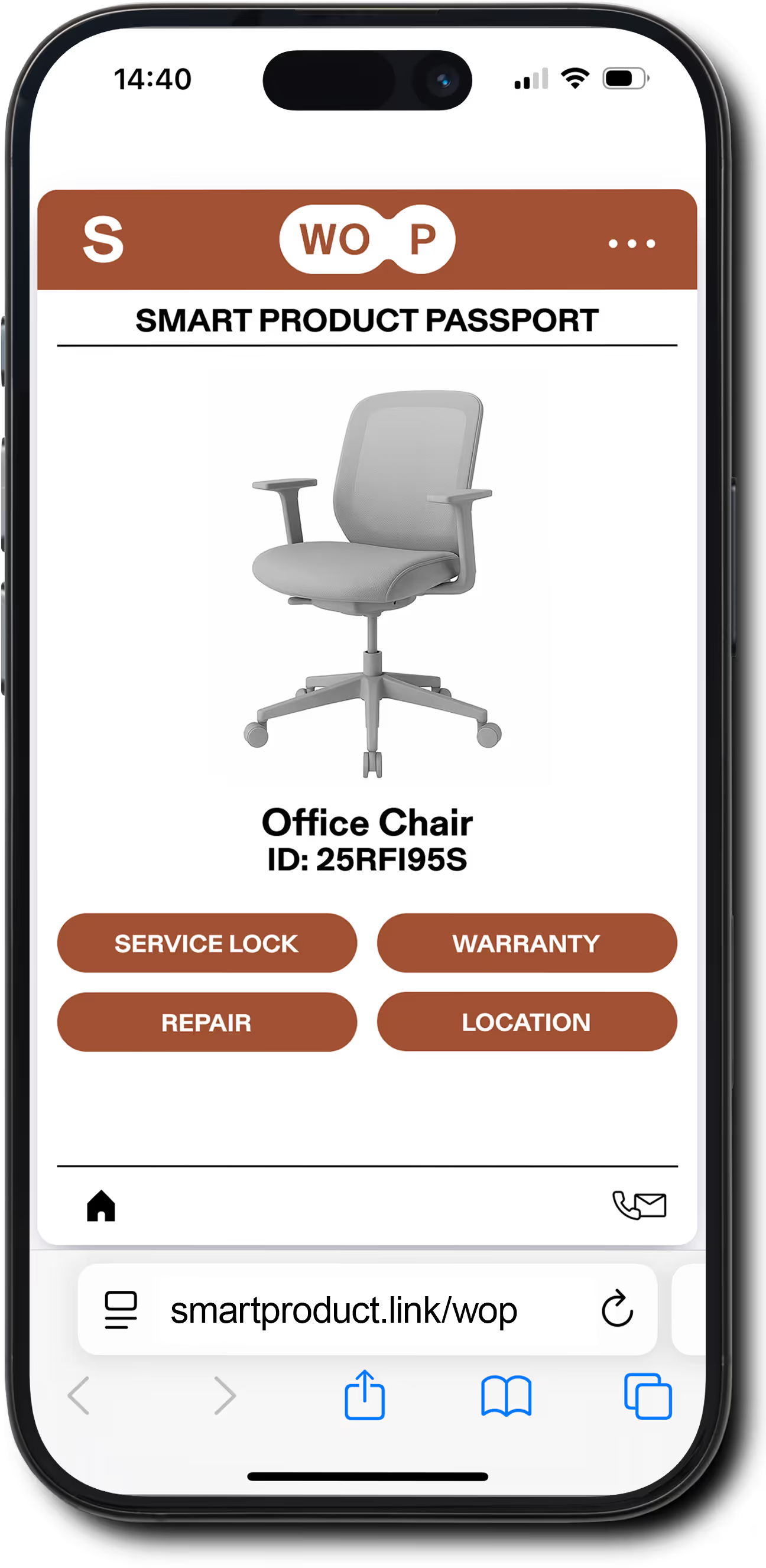
Service personnel (manufacturers and dealers)
document maintenance in the digital service logbook of the product and extend its warranty.
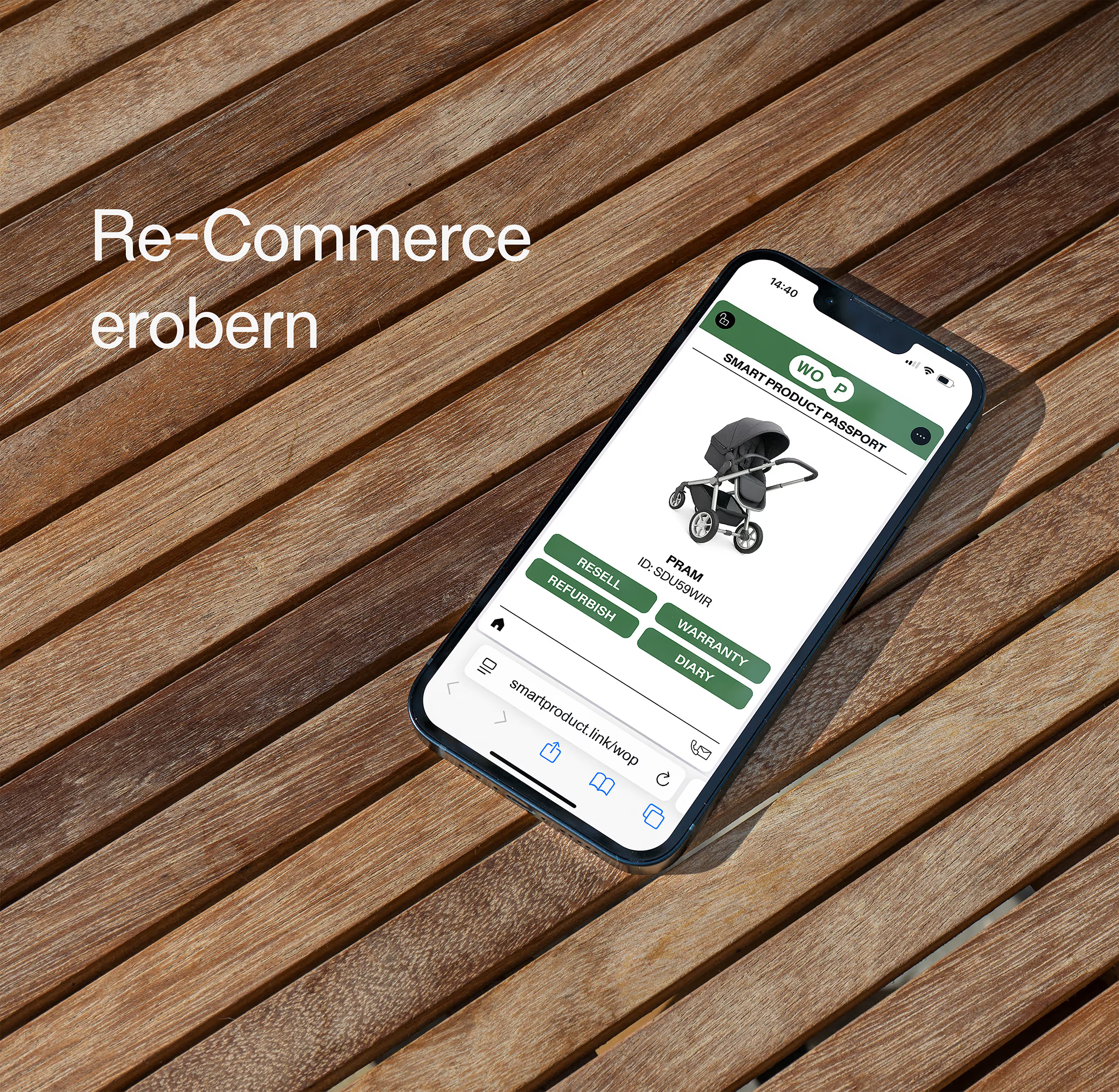
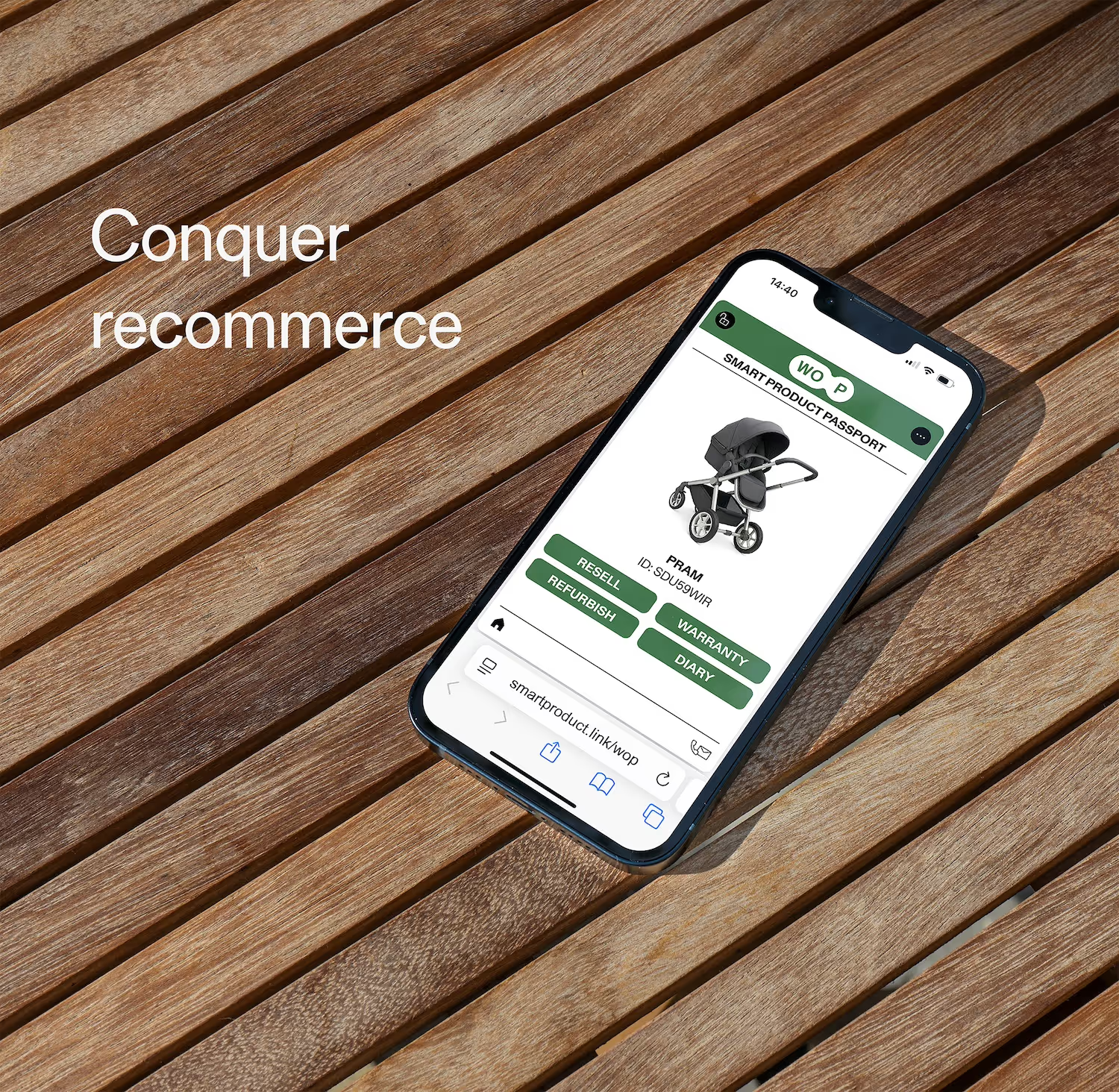
Easier product return – and resale.
In public tenders, there is an increasing demand for already produced products – in the Netherlands, it’s already 50 percent. Yet many manufacturers don’t know where their used products are on the market.
Pi connects: Through the smart product passport, users can notify the manufacturer or retailer with just one click as soon as they no longer need the product.
This way, companies can more easily access original items that they can resell or reuse.

Das Gesetz kommt – Pi kann den DPP der EU einfach integrieren.
Ressourcen schonen, Abfall vermeiden, Treibhausgase reduzieren:
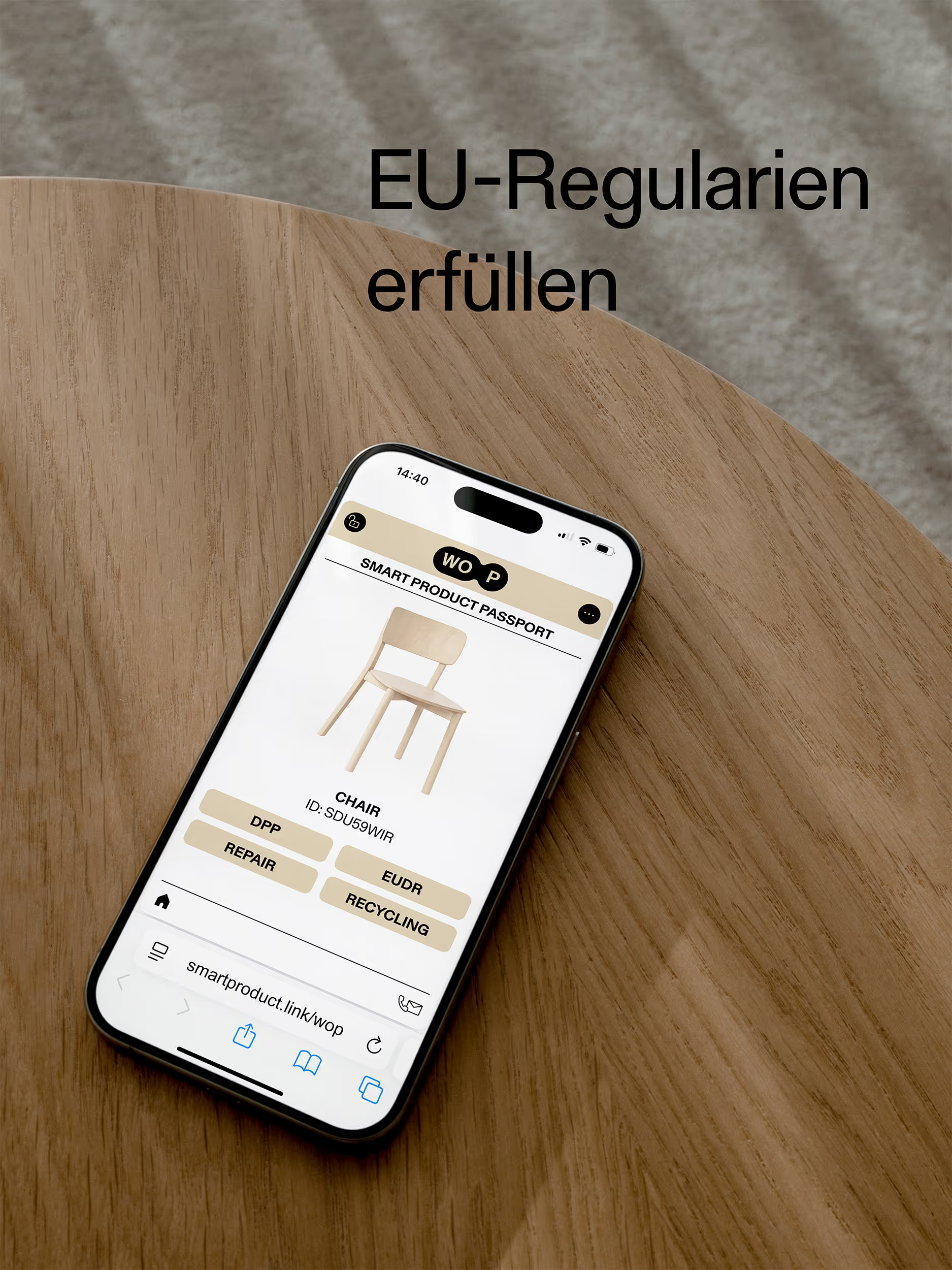
Im Rahmen ihres Green Deals führt die EU den Digitalen Produktpass (DPP) ein. Für mehr Transparenz und Rückverfolgbarkeit müssen Herstellende künftig an jedem Produkt, das in der EU verkauft wird, bestimmte Informationen digital bereitstellen.
Der smarte Produktpass von World of Pi kann die geforderten Informationen einfach abbilden – und bietet zusätzliche Services.


The most important questions & answers about the EU’s DPP:
Das Gesetz kommt – Pi kann den DPP der EU einfach integrieren.
Ressourcen schonen, Abfall vermeiden, Treibhausgase reduzieren:
Im Rahmen ihres Green Deals führt die EU den Digitalen Produktpass (DPP) ein. Für mehr Transparenz und Rückverfolgbarkeit müssen Herstellende künftig an jedem Produkt, das in der EU verkauft wird, bestimmte Informationen digital bereitstellen.
Der smarte Produktpass von World of Pi kann die geforderten Informationen einfach abbilden – und bietet zusätzliche Services.
The exact content requirements for the Digital Product Passport (DPP) are still being defined. However, it is clear that the Ecodesign for Sustainable Products Regulation (ESPR) requires comprehensive information covering the entire product life cycle. This may include, for example:
- Product identity details
- Information on material composition
- Supply chain traceability
- Environmentally relevant indicators
- Data on social responsibility
- Performance and safety information (including repair and spare parts data)
The ability to collect and maintain this data in a structured and up-to-date way will become a key competitive factor. Companies that start building their DPP framework early will gain a clear market advantage.
The details are still being defined. The Ecodesign for Sustainable Products Regulation (ESPR) has been in force since July 18, 2024. In the 2025–2030 work plan, the textile and apparel sector is listed first. The adoption of the corresponding legal acts is expected around 2027, with mandatory implementation from mid-2028 onward.
The delegated act for iron and steel is expected to be adopted as early as next year. According to the Commission’s work plan, aluminum and tires will follow in 2027, furniture in 2028, and mattresses in 2029. All products placed on the market after the regulations come into effect must comply with the DPP—regardless of the production year.
Companies should plan for 12–18 months of preparation time, or up to 24 months for complex supply chains. A one-year transition period between adoption and enforcement is expected.
These are also currently being specified. The key factors are open, interoperable, and traceable systems—such as APIs, event logs, or ISO/EPCIS standards.
Each product will require a unique identifier (UPI) in accordance with international standards (ISO/IEC 15459). Whether this identifier applies to individual items, batches, or model variants depends on the product category.
Yes. All products offered on the EU market must comply with the DPP, including imports and cross-border online trade.Marketplaces will be required to remove non-compliant listings and respond to data requests within five days.
The DPP can serve as a protection against counterfeiting: digital twins using QR or NFC technology can help prevent product copies and simplify warranty processes.
At the same time, it enhances transparency and traceability along the supply chain without disclosing confidential data—access rights can be used to precisely control who can view which information.
The EU determines which data must be disclosed.For certain information—such as the obligation to disclose suppliers—this represents a system change.
Other business-relevant data will remain within the company.
Different access rights can also provide additional confidentiality protection.
Costs arise from:
- Building or acquiring the necessary technical infrastructure
- Collecting and obtaining data
- Maintaining and updating DPPs
Lack of DPP compliance may result in a sales ban or delisting; fines will be determined by the individual member states.
To deal with suppliers who do not provide the required data, companies can:
- Define DPP requirements contractually
- Conduct audits and qualify suppliers
- Choose alternative partners
- Use industry-average data in exceptional cases
It is also helpful to provide suitable interfaces to data management tools so suppliers can share data more easily.
We use the latest digital technologies to shape the future.
In a rapidly changing world, we are focusing on the technologies of the future: Web3, SaaS, and artificial intelligence. With our platform for the circular economy, we offer a future-proof, stable, and scalable application that is particularly user-friendly.

Our goal is to make it more profitable for manufacturers to support durable products than to produce short-lived new goods.
From the design industry for the design industry.
Together with some of the most innovative minds in the IT world.
"In the past, we focused on bringing as many new products to market as possible. Today, we aim to be part of the solution—helping to keep products and materials in circulation as valuable resources."
– Stephan Hürlemann, Designer and Co-Founder
Founders: (from left to right) Lukas Fluri, Barbara Hutter, Stephan Hürlemann and Stephan Bachmann